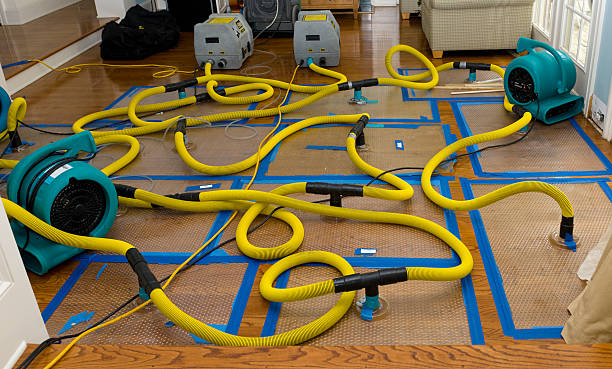
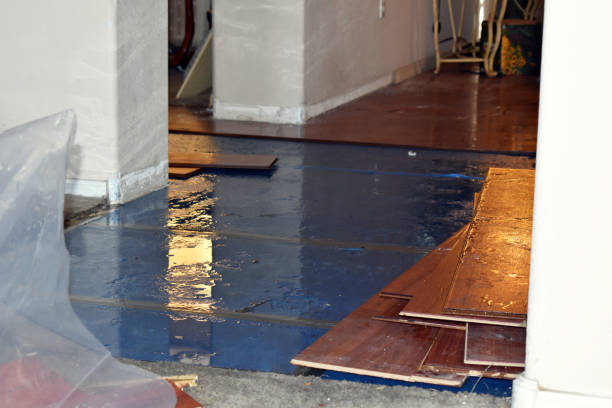
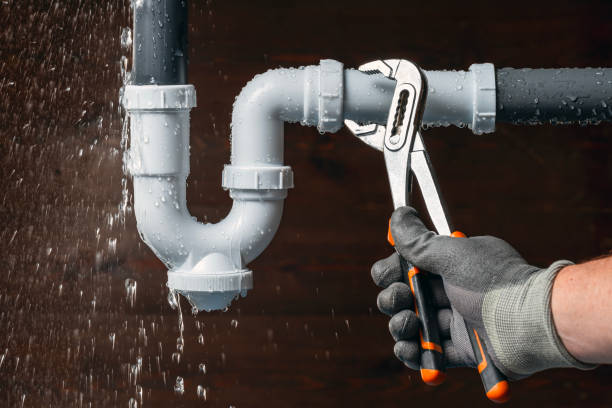
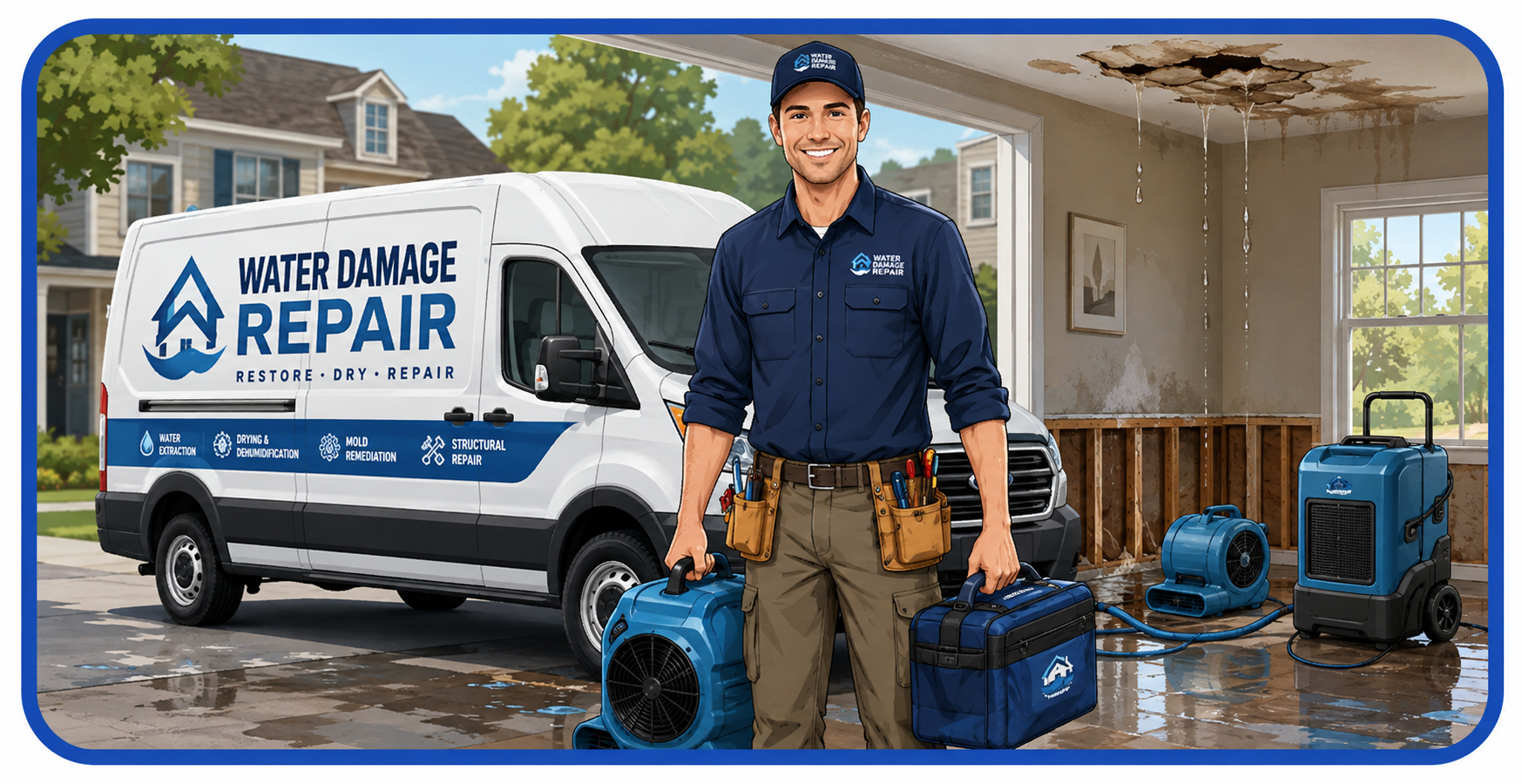
Cherokee sits on a mix of older plumbing and newer builds, and our crew has pulled water out of both, which is why the truck that shows up already has the right extraction head for your situation.
Call +1-844-578-1604
Crews staged inside Cherokee limits
Written estimate, no hidden line items
IICRC-certified technicians on every truck

We run our Cherokee operation on IICRC-certified technicians and commercial-grade equipment, not a subcontractor list we pull from when the phone rings.
Our Cherokee dispatch desk is staffed around the clock by people, not an automated queue, which matters most at exactly the hour you're calling.
Ongoing training matters more to us than a certificate on the wall — drying standards and equipment change, and our crews train against the current standard, not the one from five years ago.
Not every water problem announces itself with a flooded floor. Most start quietly, and catching one of these signs early is usually the difference between a same-day fix and a much bigger repair.
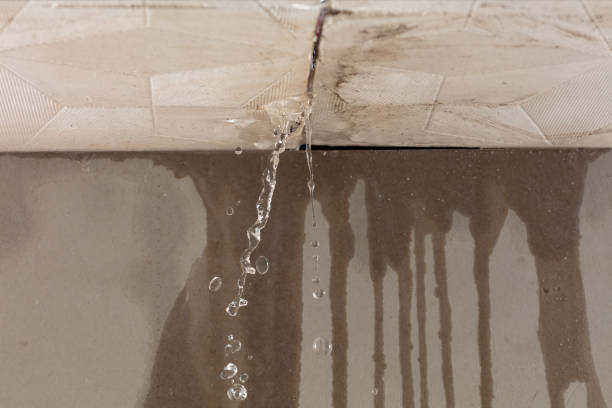
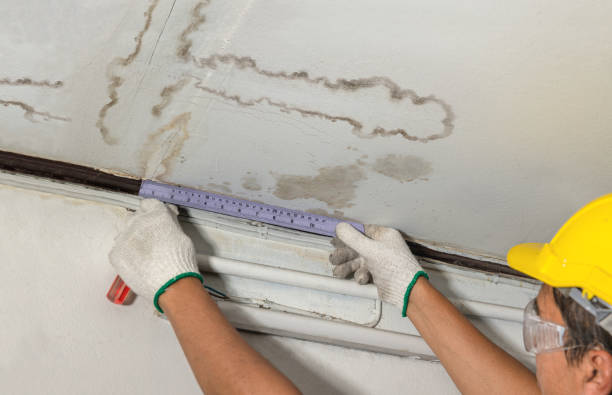
Fresh paint over an old stain can hide the problem visually for a month or two, right up until the drywall paper backing gives out.
A musty note that wasn't there a season ago usually means microbial growth has started somewhere behind a wall or under flooring, well before you can see anything.
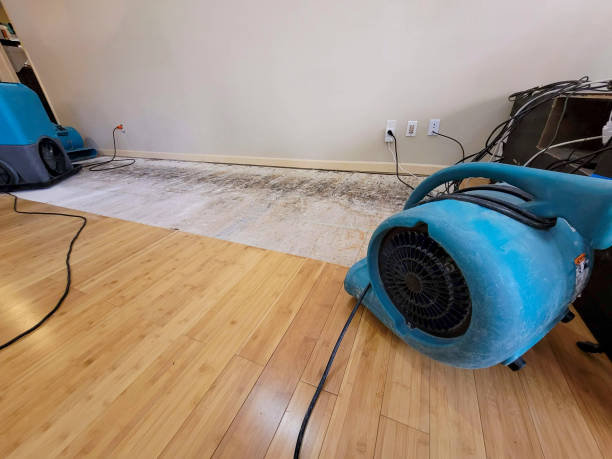
Hardwood cupping at the edges, laminate lifting at the seams, or carpet that stays spongy days after you last noticed water — all three point to moisture sitting against the subfloor.
Catching a hidden leak through the water bill is far cheaper than waiting for it to surface as a flooded room.
Bubbling paint near a baseboard or exterior wall usually means moisture is pushing through from behind rather than a simple application defect.
A small patch of mold in a corner or along a baseboard means conditions behind that surface have supported growth for a while — the source needs to be found, not just wiped away.
If more than one of these sounds familiar, it's worth a professional moisture check sooner rather than later.
Bouncing between an extraction company, a drying company, and a repair contractor is how small jobs turn into weeks-long headaches — we keep all three under one roof on purpose.
Every service below gets the same documentation standard, whether it's a single wet closet or a full commercial loss.
The first hour after a water loss decides how much of the structure is salvageable, which is why extraction is always the first truck-mount job, not an afterthought behind paperwork.
We don't call a structure dry based on a visual check — the moisture meter has the final say before equipment comes down.
Blackwater intrusions call for full PPE, controlled removal of porous materials that can't be sanitized, and hospital-grade disinfection before any reconstruction starts.
If mold has already started, containment with negative air pressure goes up before any demolition begins, so spores don't travel to unaffected rooms.
Reconstruction starts from the actual drying documentation, not a fresh guess, which keeps the repair scope accurate.
Furniture, electronics, and documents get assessed on-site, with salvageable items cleaned and stored while the space dries.


Four steps, no guesswork — here's exactly what happens between your call and a verified-dry structure.
A live dispatcher, not a voicemail tree, takes your call and asks a few quick questions about the source and severity so the crew rolls out prepared.
Skipping or rushing this step is how hidden moisture pockets turn into a mold problem months down the line.
Extraction and drying run as one continuous process rather than two separate scheduled visits.
Every affected area gets re-tested before we call the job complete — no shortcuts on the sign-off.
We built the checklist below around the actual complaints people have about restoration companies in general, then made sure Aqua Guard Water Damage doesn't repeat them.
Licensing and insurance aren't paperwork we keep in a drawer; they're what let us stand behind the work if something doesn't go as planned.
A nearby crew isn't a slogan — it's the gap between drying equipment running in an hour versus half a day.
The number we quote is the number you pay, regardless of how long the drying cycle runs.
Every job closes with a documented re-inspection, not a handshake and an invoice.
We'd rather run a dehumidifier an extra day on our dime than sign off on a reading we're not confident in.
The standard doesn't change based on job size — a single bathroom flood gets the same sign-off criteria as a full commercial loss.
Call +1-844-578-1604Whether your address sits in 35616 or a neighboring zip, the same crew and the same response standard applies.
Coverage extends past the city core into the surrounding Cherokee suburbs, so an outlying address isn't treated as a second-tier call.

"Our water heater gave out overnight and by the time I found the pool of water it had already crept under the cabinets. The crew here in Cherokee had it extracted and drying equipment running before I finished my coffee."
Renee A., Cherokee"A storm backed water into our finished basement and the crew classified it, extracted it, and had dehumidifiers running that same afternoon. The invoice matched the quote to the dollar."
Owen D., Cherokee"The sewage backup in our basement bathroom got the full PPE-and-disinfection treatment, and they walked me through exactly why certain materials had to go."
Fatima J., Cherokee"The reconstruction crew matched our original flooring almost exactly after the repair — you'd never guess there was ever a leak."
Lucas P., Cherokee"The thermal scan caught damage behind a cabinet that could have turned into a much bigger mold problem if it went unnoticed."
Grace T., Cherokee"They sectioned off the wet area instead of shutting down the whole office during drying, which kept us operating almost normally."
Nathaniel W., Cherokee"The technician explained exactly which boards needed to go and which tested dry enough to keep, so we didn't overpay for the repair."
Bianca H., Cherokee"Storm runoff got into our crawl space and the smell alone told us something was wrong. They found a failed vapor barrier and fixed the actual cause during the same visit."
Derek S., Cherokee"Our upstairs bathroom leaked into the kitchen ceiling below and the crew traced it back to a failed wax ring on the toilet, not just patched the visible ceiling stain."
Melissa C., Cherokee"Being out of town when it happened was stressful enough — having a crew that could work directly with our property manager made it manageable."
Victor N., Cherokee